

Ever seen a nature show, and wanted to say, "Oh, I wish I could see that in real life? The good news is you can! These locations around the world are to observe wild animals in their natural environment, without the presence of a fence or cage.
Such journeys could be called "eco-tourism". It's a fancy term that means traveling without causing harm. This sort of travel does not damage the land or animals, but does pay for the protection of both. Your donations are frequently used directly to save forest, clean beaches, and repel poachers from endangered wildlife.
Such trips are becoming more and more desirable to most travelers. They're not looking for some pretty picture of cool animals, they're looking for an experience that will help keep those animals around for the next hundred years. These are 10 of the best places in the world for wild life experiences.
1.Costarica | The Country that runs on green power.
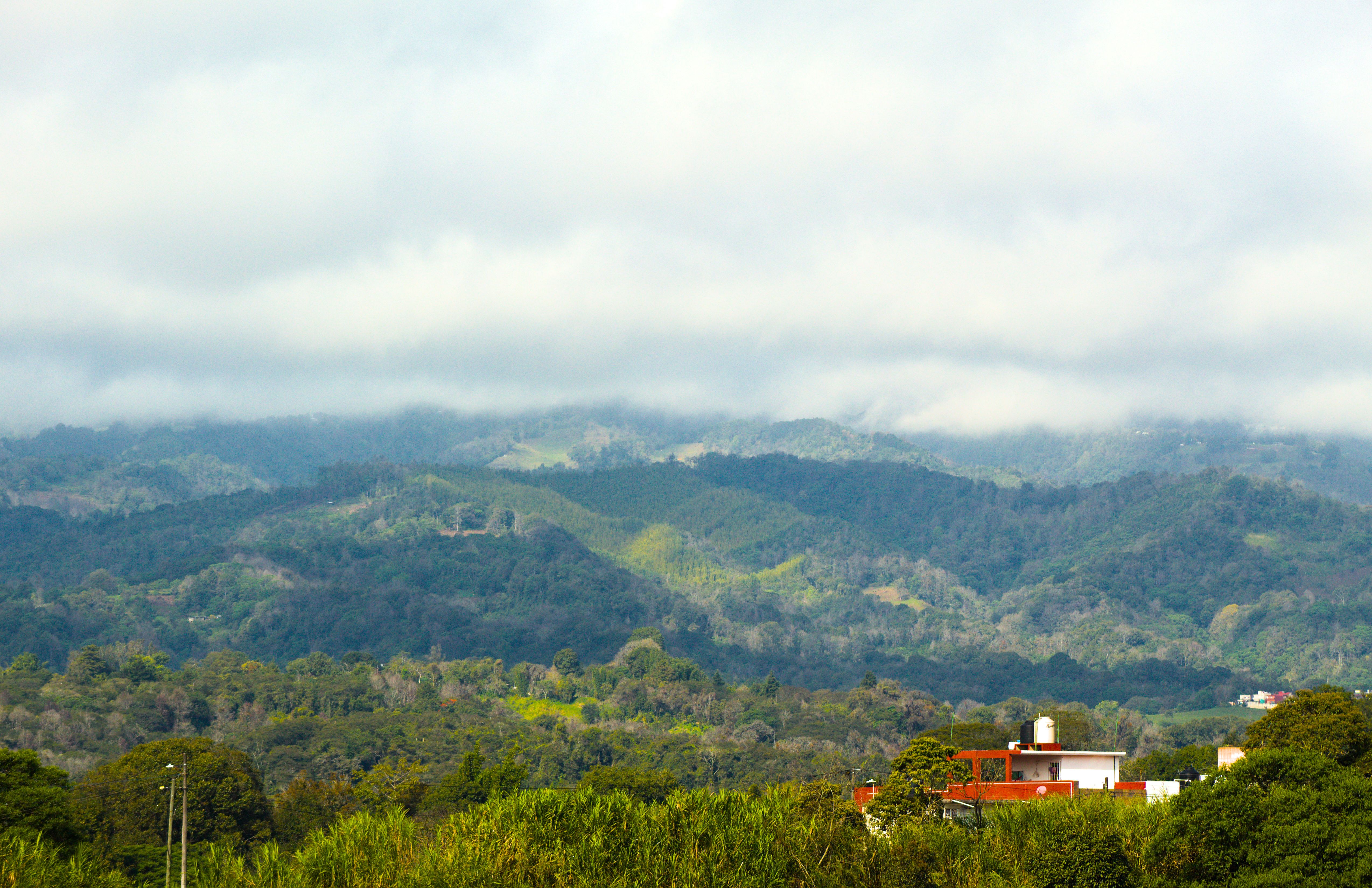
In Costa Rica, truly it is all about eco-tourism and it's VERY deserving! Almost 98% of the electric power used in the country is produced from clean sources such as water, wind and solar power. The protected area amounts to approximately one quarter of the total land area – huge for such a small land-locked country.
Don't miss out on Monteverde Cloud Forest where you may see the beautiful quetzal. It's extremely beautiful with its bright feathers, hardly credible.
When planning to go to Manuel Antonio National Park, be sure to take your camera with you. It's one of the best destinations in Costa Rica to observe wild life with playfully swinging howler monkeys, brightly colored toucans and lazy sloths.
Arenal Volcano is also highly-attractive. Following the trails and enjoying the amazing volcanic landscapes you may want to relax afterwards, don't worry about that you can try the natural hot springs in this area.
2.The Galapagos Islands | Animals found nowhere else on earth!
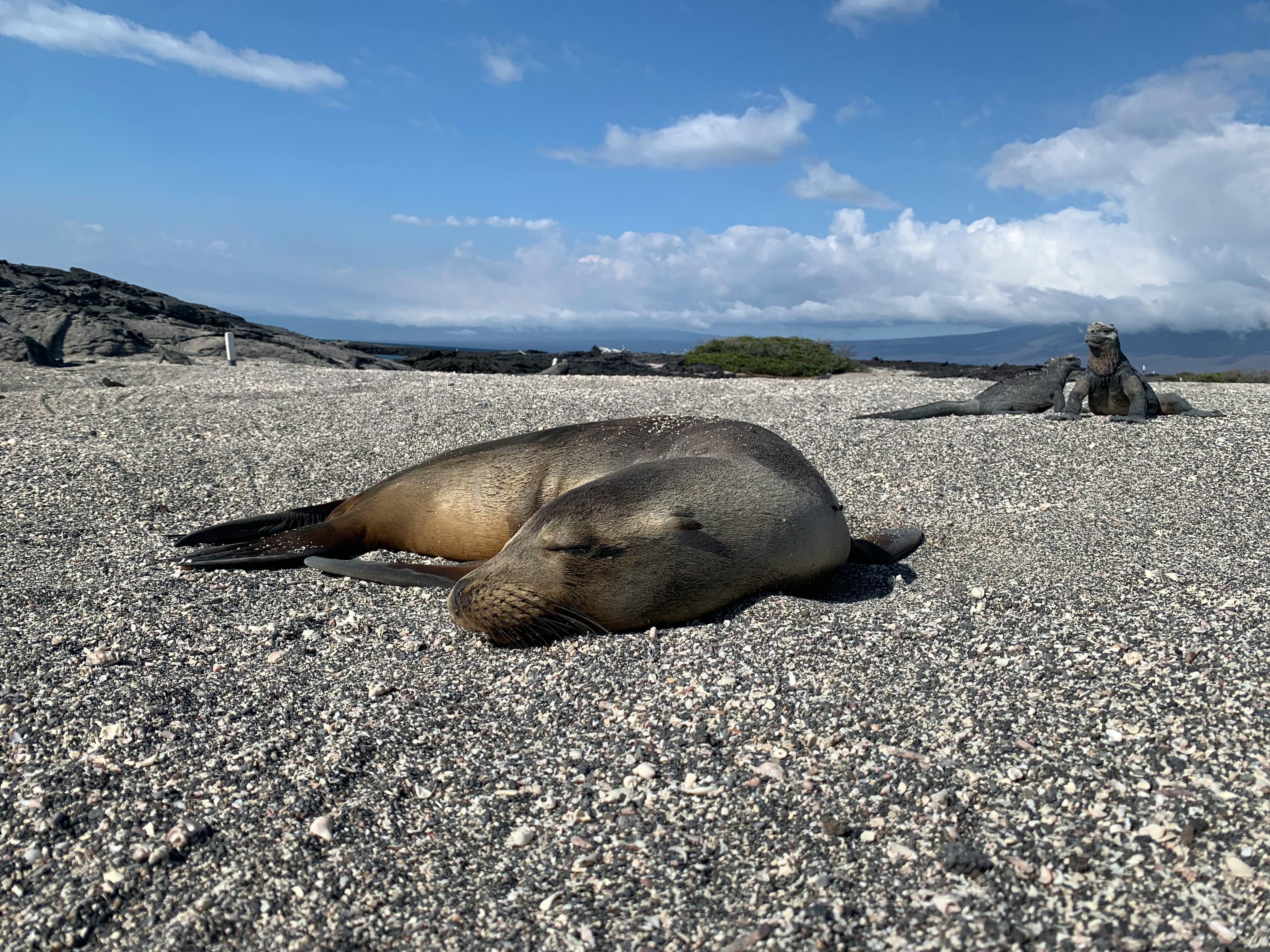
The Galápagos Islands are located off the coast of Ecuador and they're a world-famous place for a reason: many of the animals here are not found anywhere else on earth. It is the same site where Charles Darwin worked out how evolution works, and is now a UNESCO World Heritage Site.
The entire island group (97%) is a national park. Don't be afraid of marine iguanas—they never were! Sea lions sleep on the rocks at Tortuga Bay in the sun, as if they own the place (but they do). This place is not overrun with tourists, thanks to strict rules on how many can visit.
3. Kenya | Home of Africa's "Big Five"
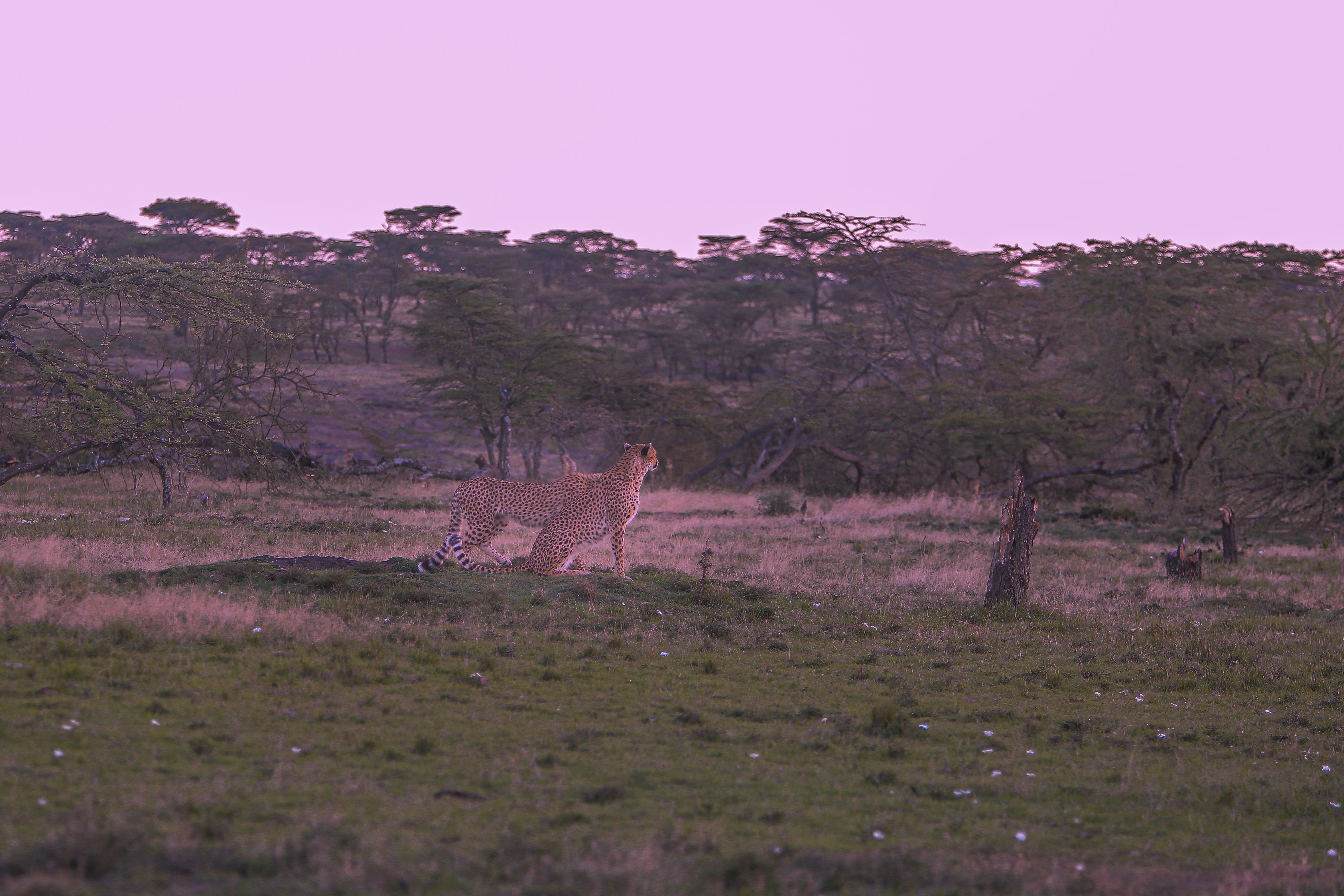
Kenya is a country that's often associated with going on a safari in Africa. It's famous for its huge open spaces, where you can see animals all the way to the horizon. If you're looking for the best places to go on a safari, Amboseli National Park and the Maasai Mara National Reserve are the top spots. They're great for catching a glimpse of the "Big 5" - that's lions, leopards, rhinos, elephants, and Cape buffalo. These parks offer an amazing experience, with vast savannahs and an incredible array of wildlife. Whether you're a seasoned safari-goer or just looking for a unique adventure, Kenya's got plenty to offer. From the majestic lions to the graceful elephants, you'll have the chance to see some of Africa's most incredible animals up close. So why not start planning your Kenyan safari today and get ready for the ultimate wildlife experience?
In Kenya, the local communities are really important for protecting the wildlife. The animals and where they live are very special to the people who live nearby, and they make a living from tourists coming to visit. There's a great place to go on safari that's not too crowded, called the Shimba Hills National Reserve.
4. Rwanda | Face to Face With Mountain Gorillas
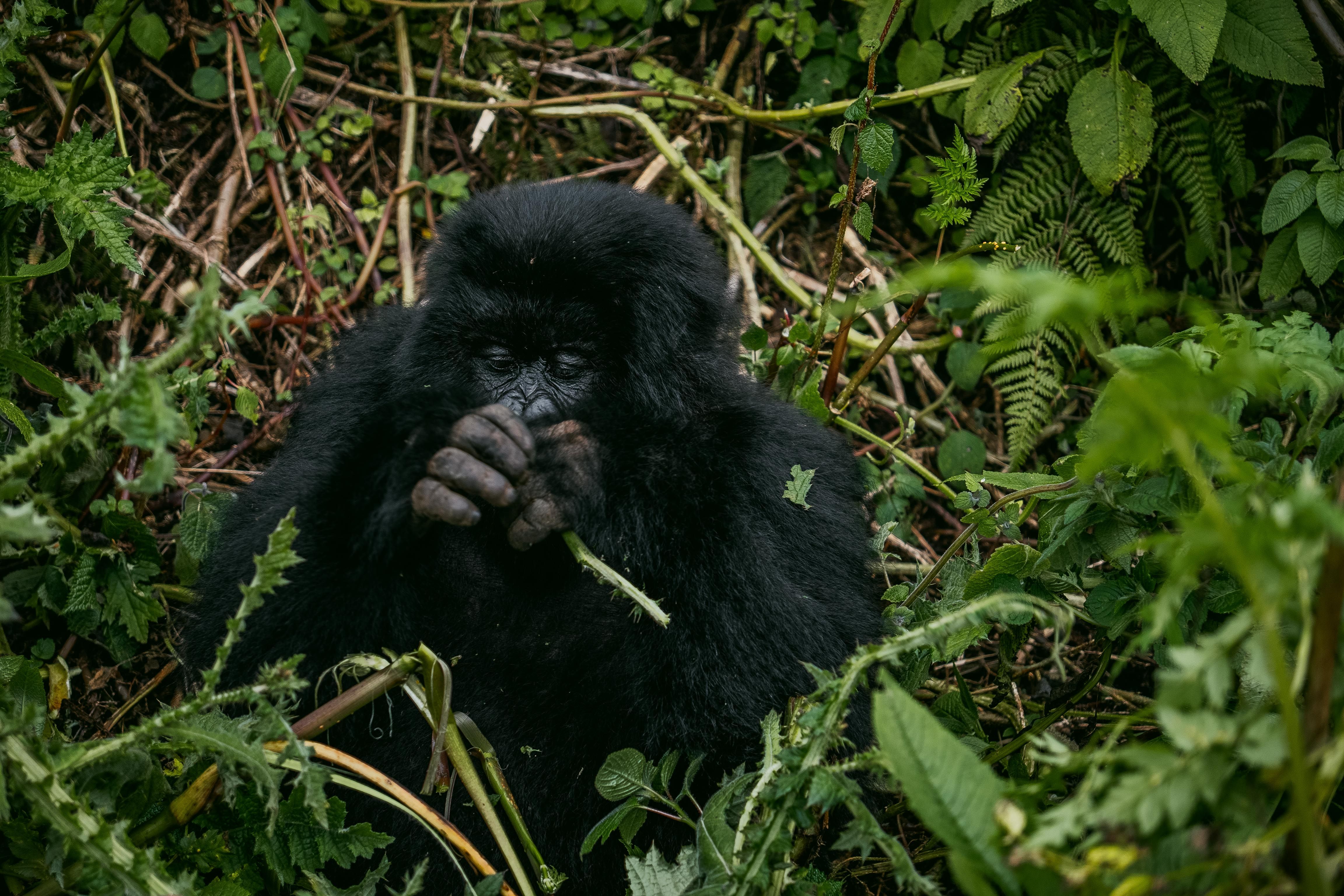
Rwanda offers one of the most unforgettable animal encounters on the planet. Visiting Volcanoes National Park is an amazing experience, especially if you're interested in seeing mountain gorillas up close. If you go on a guided trek, you can actually spend around an hour with a gorilla family, which is really unforgettable. The park is a great place to learn about these incredible animals and see them in their natural habitat.
This is a very special experience and one that will last a lifetime as there are only approximately 1,000 mountain gorillas remaining in the world.
The $1,500 price tag for a trek to the gorillas is a significant amount of money, but when you consider where it is going, it's not so much, anti-poaching patrols, check-ups on the gorillas' health, salaries for rangers and, crucially, schools and clinics for the surrounding communities. It's a major contributor to the increase in mountain gorillas, which is the only positive trend when it comes to great apes on the planet. Trekking requires a minimum age of 15 and is best done during the summer (June to September) or winter (December to February).
5. Africa's Elephant Capital is Botswana.
Unlike most safari countries, Botswana has less tourists but a larger positive impact. It's a 'high value low volume' approach – fewer visitors, higher prices; less stress on the land and the animals.
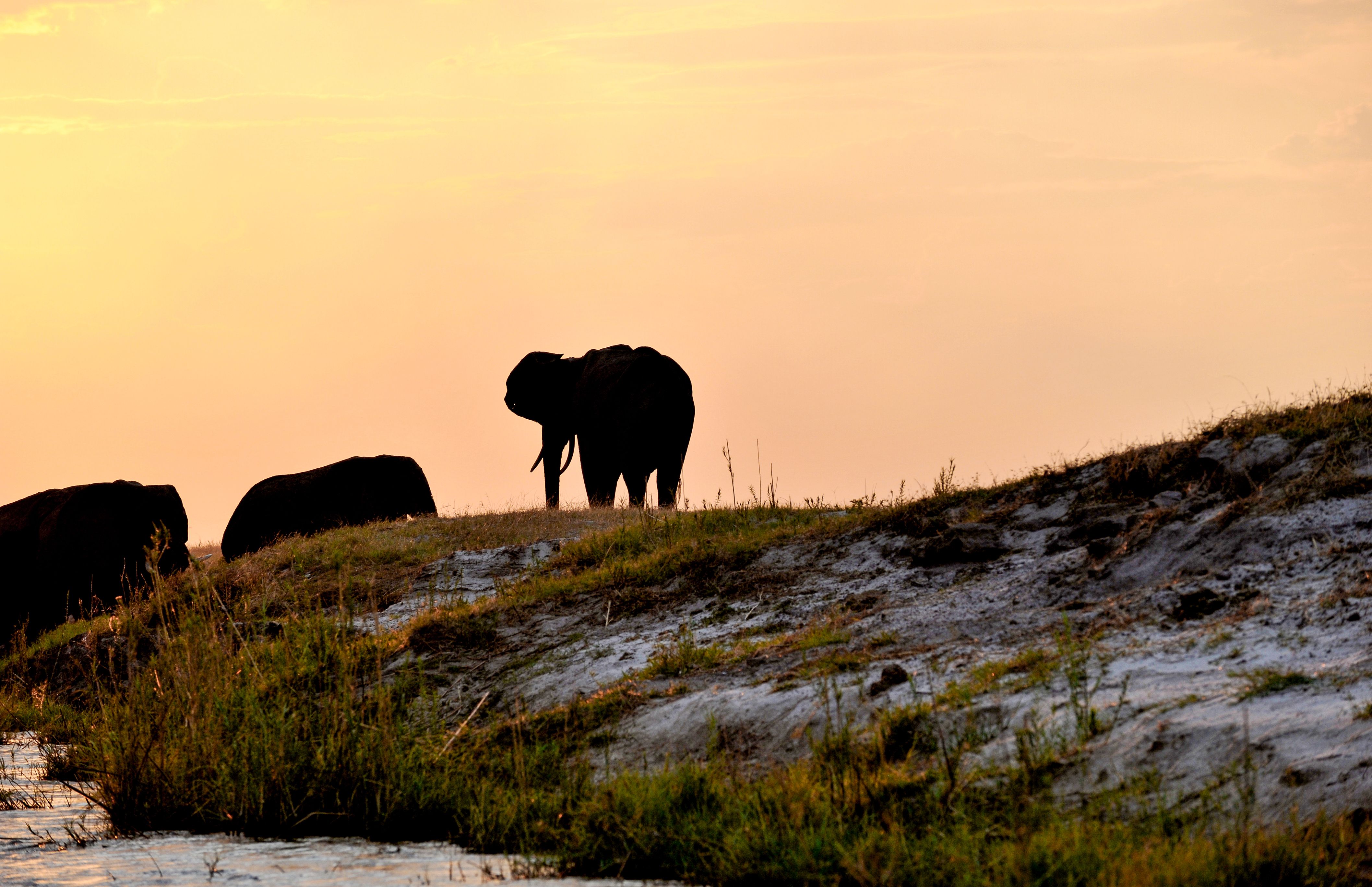
It's working. The Okavango Delta is a special place. It is the inland delta on the planet. This is where a river flows out into the desert. The Okavango Delta is home to the Okavango Delta's elephant population. There are 130,000 elephants that live in the Okavango Delta.
A big part of the country is dedicated to wildlife. 38 Percent of the entire country is for wildlife. This is one of the percentages of any country that is dedicated to wildlife. The Okavango Delta and the rest of the country have a lot of space for animals to live. In addition to elephants, watch for lions, leopards and one of the most endangered and rare predators in Africa, the African wild dog.
6.Madagascar | An Island of Animals You Have Never Seen Before
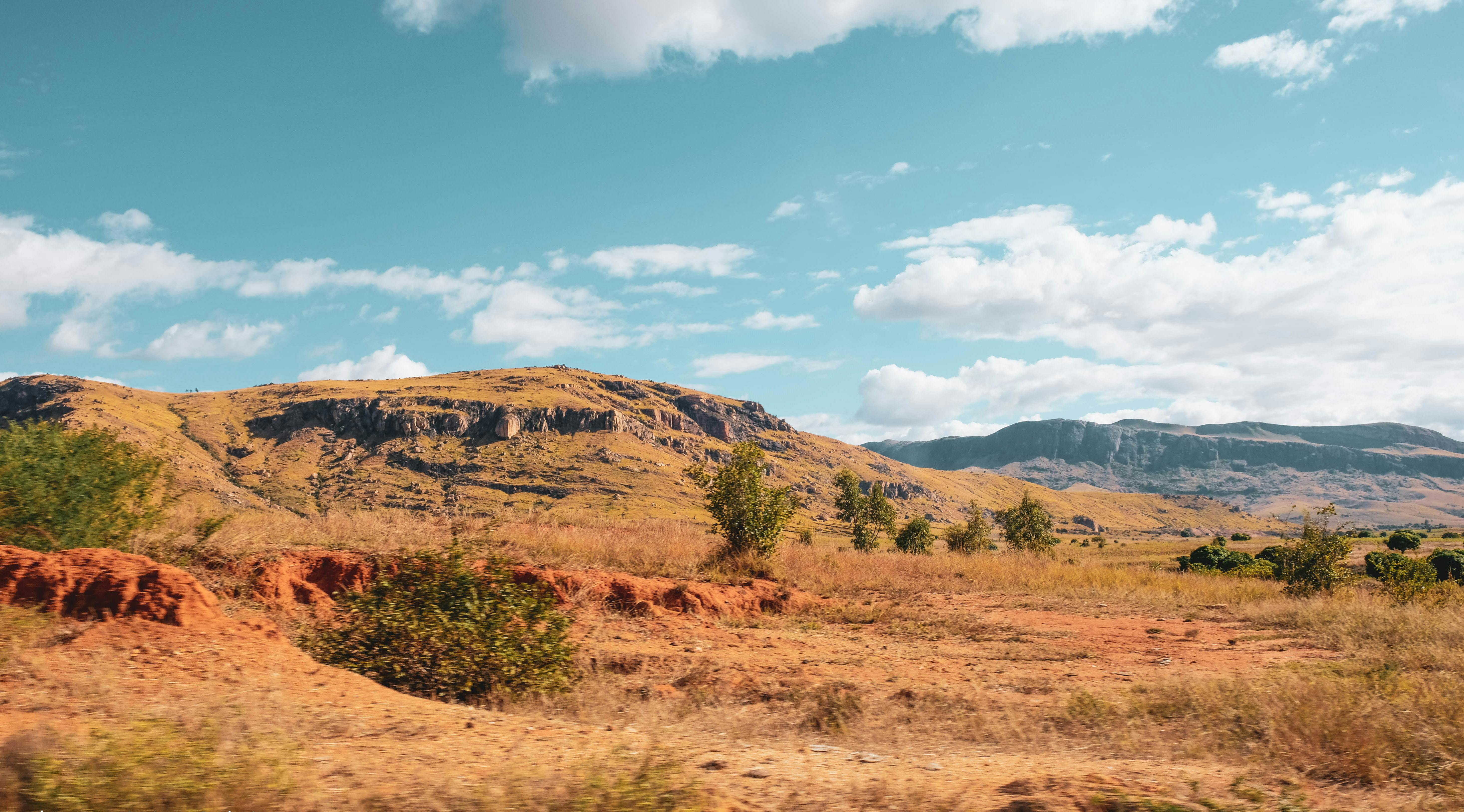
Madagascar broke away from Africa a very long time ago and the animals that live there have been changing on their own ever since. This means that Madagascar has a lot of strange and unique plants and animals that you cannot find anywhere else on Earth.
The main animal that people like to see in Madagascar is the lemur. There are more than 100 different types of lemurs and they come in all shapes and sizes. You can find lemurs that're as small as mice and others that are much bigger. The indri is one type of lemur that makes a loud and haunting sound, like a whale singing in the trees. If you want to see lemurs, you should visit Andasibe-Mantadia National Park. Madagascar's rainforests are getting smaller quickly so it is very important to visit them in a responsible way. When you visit your money will help to protect the rainforests and the animals that live there.
7. Patagonia | A Place With Big Glaciers and Mountains
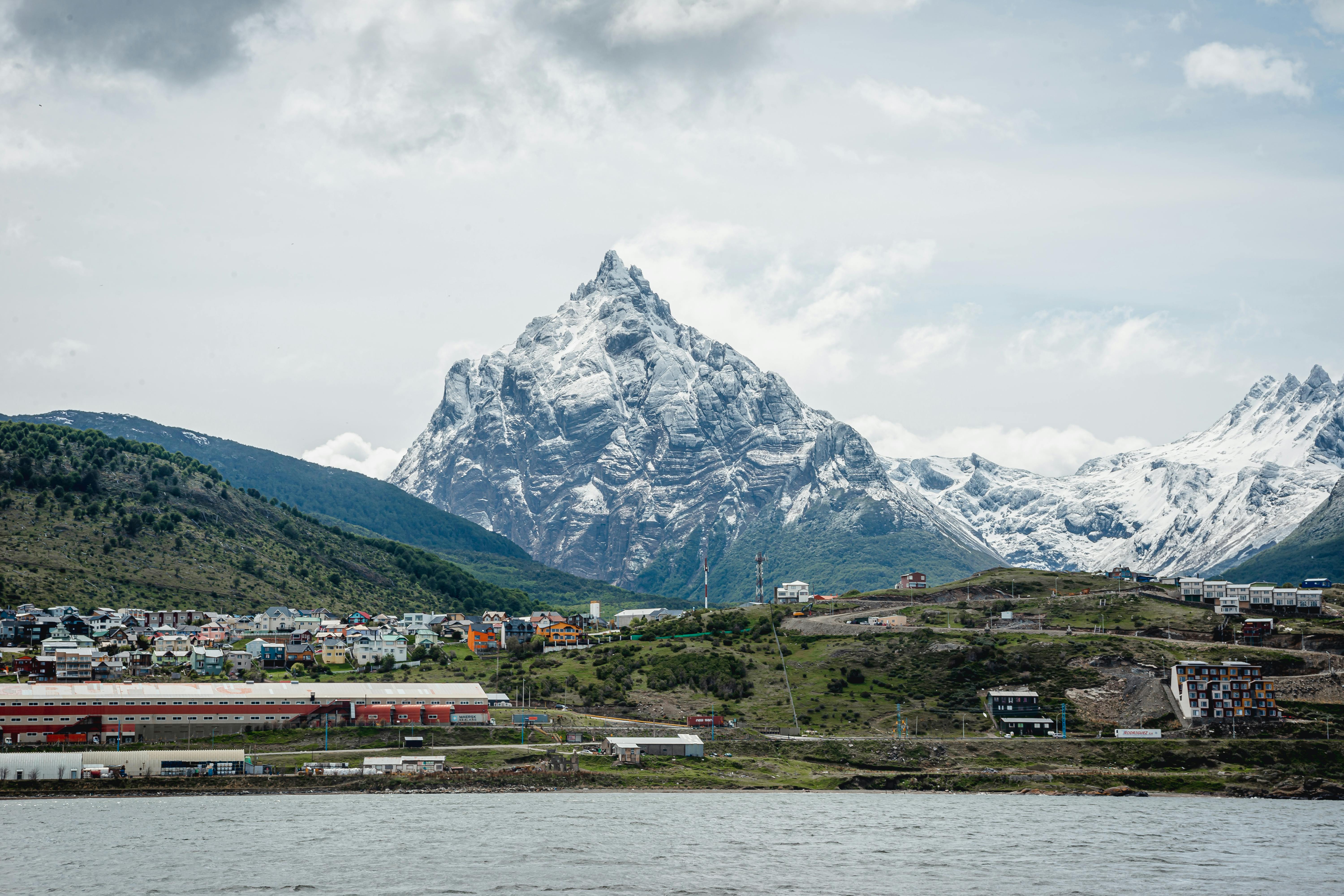
Patagonia is a region that covers the parts of Chile and Argentina. It is one of the places on Earth where you can still see glaciers getting bigger, instead of smaller. Torres del Paine National Park is a popular place to visit with big blue-gray mountains and a lot of wildlife.
The amazing thing to see in Patagonia is the Perito Moreno Glacier. It is a big piece of ice that sometimes breaks off and falls into the water below. This is something that you will never forget. There are groups in Patagonia that are working hard to protect the plants and animals and to make sure that tourism does not harm the environment.
8. Norway | A Country With Beautiful Fjords and Clean Energy
Norway is a country that's very good at taking care of the environment. Most of its energy comes from sources like water and heat from the Earth. This means that Norway is a clean and green country.
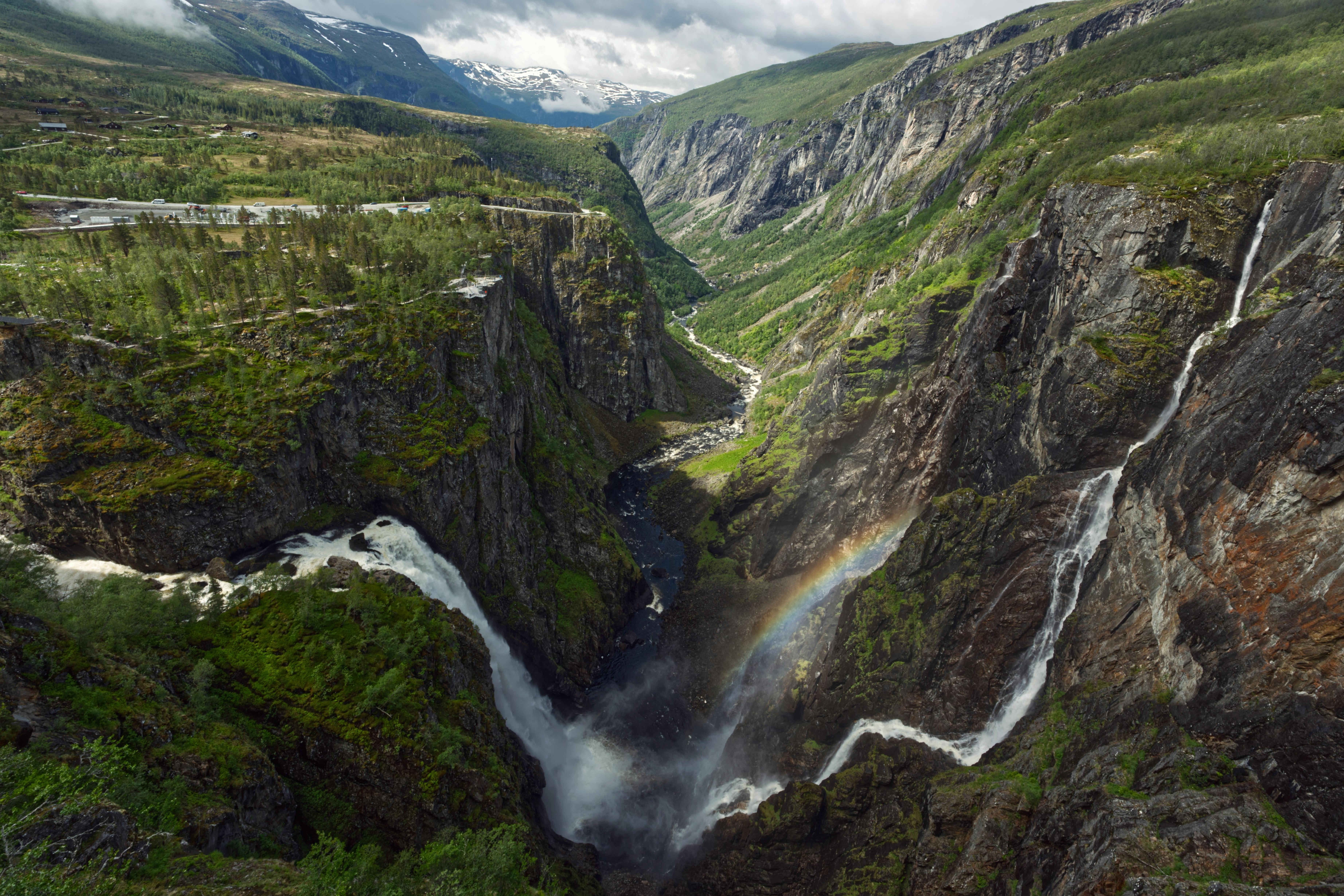
The Geirangerfjord and Nærøyfjord are two of the beautiful fjords in the world. They have cliffs and deep blue water and are perfect for hiking, kayaking or taking a boat tour. If you go north you can visit the Lofoten Islands, which have beautiful scenery, small villages and a good chance of seeing the Northern Lights. Norway also has national parks, like Rondane and Jotunheimen which are great for hiking and seeing wildlife.
9. New Zealand | A Country That Loves Its Wildlife
New Zealand is a country that has been working hard to protect its environment and wildlife for years. Soon as you arrive you can see how much the country cares about nature. Abel Tasman and Fiordland National Parks are two of the places to go hiking, kayaking and bird-watching.
You should also visit Zealandia, which's a special park in the city that is home to many rare birds and animals. You can see birds like the kiwi, kakariki and bellbird well as other animals that are found only in New Zealand. If you are near Auckland you should take a day trip to the west coast, which has ocean views, old rock carvings and a guided walk through the rainforest.
10. Indonesia | A Place With Coral Reefs and Rainforests
If you like the idea of visiting Bali but do not like the crowds you should visit Raja Ampat instead. This is a group of islands in Indonesia that has some of the beautiful coral reefs and rainforests in the world.
The water around Raja Ampat is home to more than 1,500 types of fish and the coral reefs are some of the healthiest in the world. On land there are over 600 types of birds living in the rainforest. You can take a boat tour to snorkel, dive or just float and enjoy the scenery. There are guided hikes that let you explore the jungle on foot. Indonesia has built eco-lodges, in Raja Ampat, which are designed to protect the environment and keep the area untouched.
A Few Tips Before You Book
- Do your homework on the company you are going with, not the place you are going to. A really eco-friendly trip is about the tour operator or lodge you book with not the country you are visiting. Look for companies that clearly tell you where your money is going.
- Book flights early and travel light. Sites like Kayak and skyscanner make it easy to compare flight prices across airlines, and booking ahead usually saves you money on the destinations above, many of which aren't served by dozens of daily flights.
- Pick accommodation with real reviews. Booking.com and Expedia both let you dig through detailed reviews and photos before you commit — worth doing, especially for remote eco-lodges where it's harder to just show up and check in person.
- Get travel insurance. Most of these trips involve remote locations, physical activity, and countries where your regular health insurance won't cover you. A good travel insurance plan protects you if something goes wrong — a cancelled flight, lost luggage, or a medical issue far from home.
The Bottom Line
Every destination on this list proves the same point, travel doesn't have to hurt the planet. In fact some of the trips you can take are the ones that make a place better than when you got there. Whether you are walking to see gorillas in Rwanda or floating over reefs in Indonesia or watching a glacier break off in Patagonia you are not just doing something on your list of things to do. You are helping to pay for the reason that animal or forest or reef's still there, for the next person to see too.
