

Sewage Spill, Extreme Heat and Water Safety Warnings
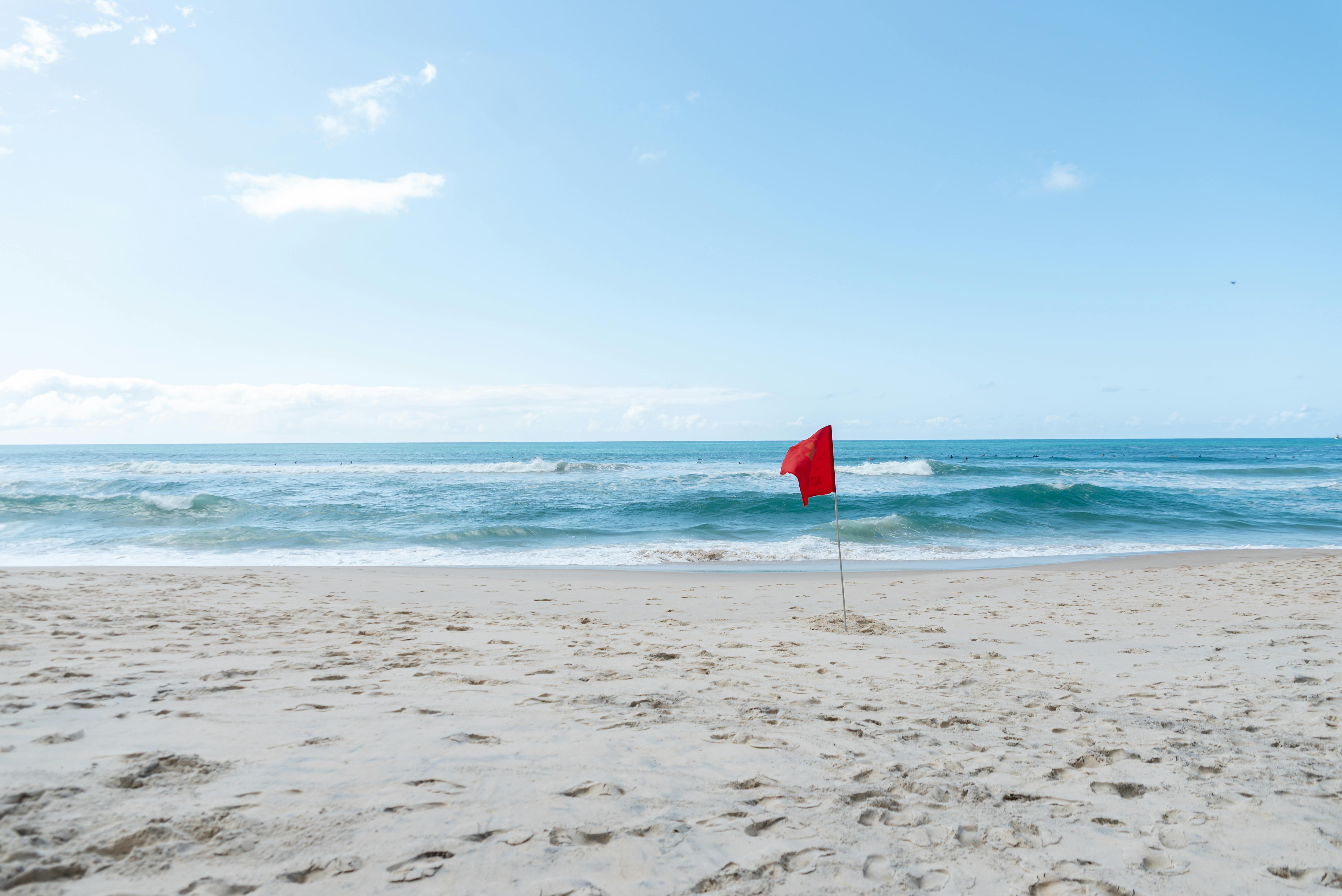 Dozens of beaches across Massachusetts were closed after a major sewage spill and dangerous bacteria levels affected water quality.
In July 2026, dozens of beaches are closed all over Massachusetts and there is a rare occurrence of extreme heat and major water contamination. A massive leak of sewage from Haverhill to the Merrimack River has been the worst hit area of the North Shore and other places have been warned of high bacterial numbers and a safety advisory for July 4 weekend.
It's one of the most disruptive beach seasons in recent memory for travelers and locals planning summer trips. This article describes what is happening, what zones are impacted and what precautions can be taken to be safe.
Why the Beach Closures?
The huge beach closures are being caused by a major sewer system malfunction in Haverhill. A major rainstorm on Friday, June 26, 2026, flooded the city's primary pumping station, which caused a 42-inch sewer force main to break near South Mill Street. The leaky pipe started dumping millions of gallons of raw sewage into the Merrimack River each day.
During the high flow period, it was estimated that approximately 8 million gallons of raw sewage were entering the Merrimack daily. The water was then contaminated and it was carried downstream to the Atlantic Ocean and impacted beaches in Ipswich, Newburyport, Salisbury, Essex, and further.
The city of Haverhill temporarily patched the break and stopped the overflow by late June 30, but health officials said the bacteria levels would stay high for a few days. Testing was extended to early July to assess beaches' reopening.
The effects of the Closures on summer travel.
It was a double disaster for sewage pollution, because it occurred when the new sanitation system was in operation. The breaks coincided with a severe hot weather event forecast for Massachusetts, characterized by near triple-digit temperature, the hottest Massachusetts has experienced in many years.
This meant that:
- Many were closed beaches, which were most in need of cooling during the high heat.
- The plans of millions of tourists and local residents who were using the North Shore to spend their summer holiday were thrown off.
- Families and businesses associated with July 4th celebrations and events, including beach parties or festivals, were uncertain and faced cancellations.
- When polluted with heat, one of the most popular summer times turned into a public health hazard in the state.
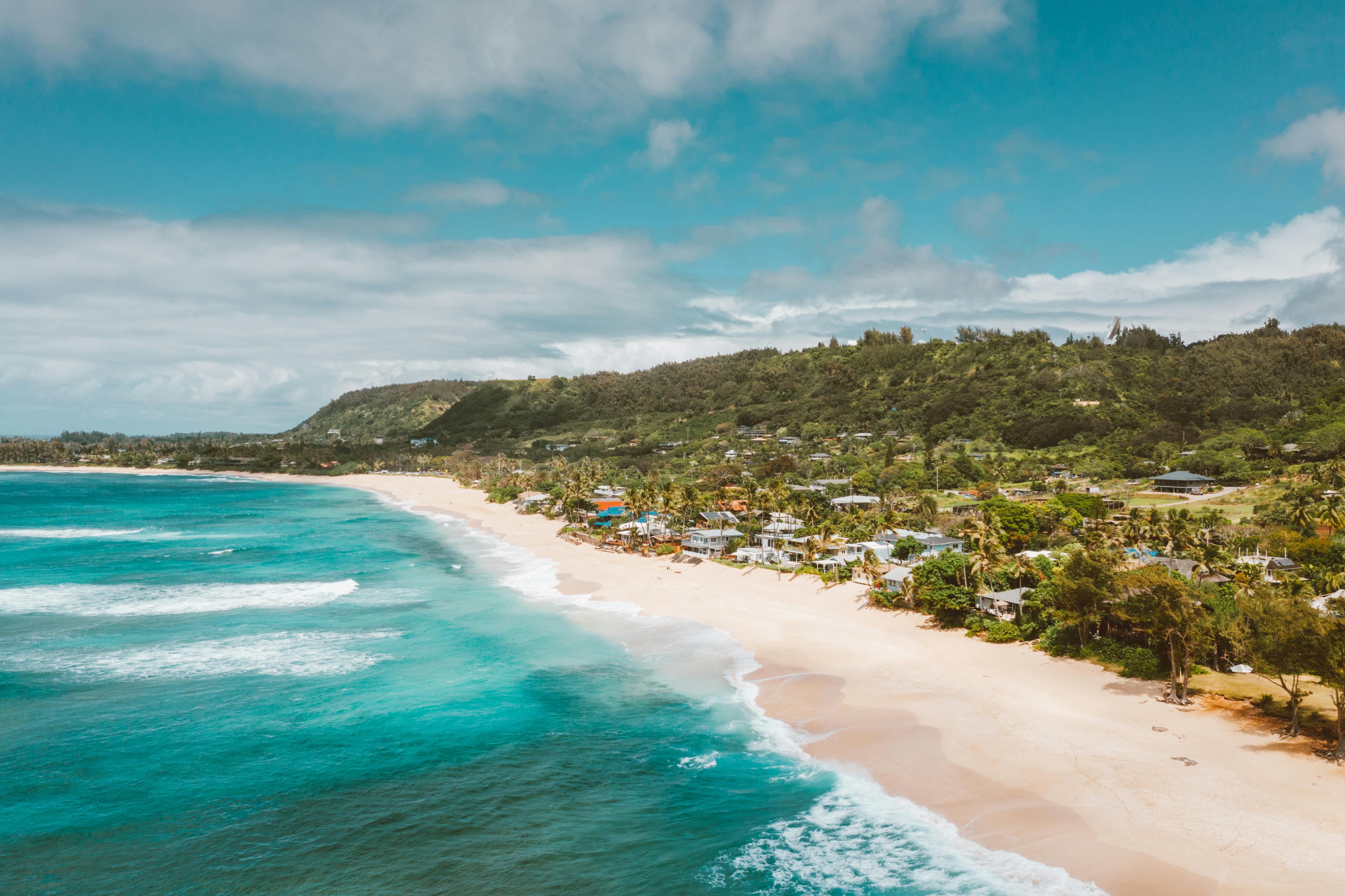 The Merrimack River sewage spill affected several North Shore communities and led to widespread beach closures.
What Beaches are closed?
Dozens of Massachusetts beaches have been closed due to high levels of bacteria in tests by state and local health departments. Unlike the other closures, this one extends beyond one town, and across the North Shore.
North Shore (Merrimack River Area)
The worst affected communities are those on the Merrimack River, where the sewage spill had a significant impact:
Ipswich: All swimming areas at town beaches were closed including Crane, Little Neck, Steep Hill, Clark, and Pavilion beaches.
Plum Island Beach at 55th Street, End of Island 1 and 2 and Plum Island Point were all still shut.
Salisbury: Beaches at Broadway Street (Salisbury Beach Center) and at Main (Salisbury Beach) were closed to swimming.
The high levels of bacteria in the water were linked to the river spill, and multiple beaches at Essex were closed.
Many water contact areas were closed to swimming, while some North Shore beaches including those inland facing were open to sand and sun.
Other Massachusetts Beaches
Beyond the North Shore, Department of Public Health has closed beaches throughout Massachusetts for bacteria, cyanobacteria or harmful algae blooms:
- Ashby: Damon Pond Beach (DCR) closed.
- Brewster: Cliff Pond (DCR) closed, Cliff Pond (DCR) @ Main closed, and Flax Pond (DCR) closed.
- Holden: Eagle lake closed.
- Kings Beach (DCR) on Eastern Ave, Kimball Rd and Pierce Rd closed, and Lynn Shore Beach (DCR) closed.
- Manchester: Magnolia East closed.
- Nantucket: Sesachacha Pond closed.
- Pembroke: Little Sandy shut down.
- Quincy: Broady (Baker) closed.
- Salem: Children's Island – Back closed.
- Saugus: Peckham Pond @ Camp Nihan (DCR) had been closed.
- Swampscott: Kings Beach closed.
- Wareham: Wareham Lake Shore, Pinehurst, and Briarwood closed.
- Winchester: Shannon Beach @ Upper Mystic (DCR) closed.
- Donovans and Grandview both closed at Winthrop.
By July 2, dozens of others were shut down throughout the state, and closures will change as more tests are performed.
Water Safety Orders and shellfishing.
Water safety warnings were also given outside of beach swimming. The spill of Haverhill sewage triggered an emergency shellfishing closure from Salisbury to Gloucester by the Massachusetts Division of Marine Fisheries. This means:
- The affected zones have shellfishing closures.
- Technically boating and non-contact activities are OK, but health officials recommend caution.
- When a swimming advisory is given, swimming is not recommended in these waters.
The state has warned the public not to go to the closed beaches or eat shellfish found in affected waters.
Bacteria Testing and Water Quality
Water testing has been done daily by both private and public entities to monitor contamination. The Merrimack River Watershed Council (MRWC) has been collecting samples at seven locations from Haverhill to the mouth of the Merrimack River. Results showed a rapid increase in unsafe bacteria levels:
- Monday, June 30: 3 out of 7 sites unsafe, including Ferry Park at West Newbury with an E. coli concentration of more than the EPA limit.
- Wednesday, July 2: 5 of 7 sites unsafe.Thursday, July 3: 6 of 7 sites unsafe.
- Wednesday, July 2: 6 of 7 sites unsafe; Haverhill site is more than 15 times the EPA E. coli limit.
MRWC cautioned unsafe conditions may persist through July 4 weekend and testing will continue daily to monitor conditions.
Five beaches were reopened in Ipswich, as shellfishing areas continued to be closed, following the results of the bacteria tests, which were below the state limit of 104 colonies/100ml.
You should have chosen a different one, right?Why this is a repeating issue.
Haverhill's big sewer break is not the first wastewater issue that the city has faced. Ten years before the 2026 rupturing, a federal consent decree was reached with Haverhill to end the city's pollution of the river. The new sewer failure indicates that there have been long-term issues with the sewer system.
Combined sewer overflows, aging pumping stations, and older pipes have been problems in Massachusetts waterways in the past including the Merrimack. The likelihood of more spills may rise as climate change leads to more heavy rainstorms, such as the June 2026 storm.
What Travelers Should Do
If you're headed to Massachusetts this July, here are some steps you can take to keep yourself safe:
Check before you go:
Check the most current list of closed beaches from the Massachusetts Department of Public Health or your town. The closure may be revised daily while the testing is ongoing.
Don't swim at closed beaches:
Do not enter the water, even if the sand and sun areas are open, at closed beaches. After a sewage spill, the bacteria can stay at high levels for weeks.
Avoid contact with the Merrimack River in impacted areas:
Do not swim, kayak or come in contact with the Merrimack River from Haverhill to the ocean, until the river is declared safe.
Avoid eating shellfish in the area:
The state shellfish closure from Salisbury to Gloucester means that shellfishing and consumption is closed from that location.
PrePlan for heat risk:
Seek indoor venues (malls, parks with shade, libraries) where it will be cooler; and reduce outdoor activity during the hottest hours of the day.
Consider alternative destinations:
If you are on the North Shore, try to avoid the closed areas and travel to another part of the country where there is no closure by going to the Cape, islands or other coastal towns.
Community and Business Impact
The closures have had a significant impact on local communities and businesses. Beach parties, concerts, and festivals were postponed or cancelled at events scheduled to take place over the July 4 weekend. For businesses relying on beach traffic, there was a decrease in traffic, and some were forced to temporarily close.
The residents were unhappy about the spill taking place when summer tourism was at its highest. Many expressed concern about the "long-term reputation of the North Shore as a safe, family-friendly community."
Final Verdict
Massachusetts has one of its toughest summer beach seasons in years. A huge sewage leak in Haverhill combined with heavy bacteria pollution and high temperatures has resulted in dozens of beaches closing around the state.
For tourists, the main lesson is to be flexible and informed. Please check local closure announcements before visiting coastal areas, do not go to a beach where the water is contaminated, and make other plans if coastal areas are closed. As testing goes on and repairs are in progress, things can change rapidly, but you must be cautious to stay safe.
Frequently Asked Questions (FAQ)
So many Massachusetts beaches are closed in July 2026, why?
High bacteria counts from the sewage spill in Haverhill into the Merrimack River and other harmful bacteria and algae blooms have led to the closure of beaches.
What areas will be hardest hit by the closures?
Many towns throughout the state have closed beaches, but the North Shore is the hardest hit area with towns such as Ipswich, Newburyport, Salisbury and Essex among the many closed beaches.
Is the sewage spill still ongoing?
Haverhill city officials have blocked the overflow, but bacteria levels have not reached safe levels in many places and the city is still testing through early July.
If it's open can I go to the beach?
Open beaches are available for sun and sand but do not swim if the beach is closed for water contact. Please look for local notices.
Is the area's shellfish safe to eat?
NO. Shellfishing is closed from Salisbury to Gloucester in Massachusetts due to an emergency closure.
